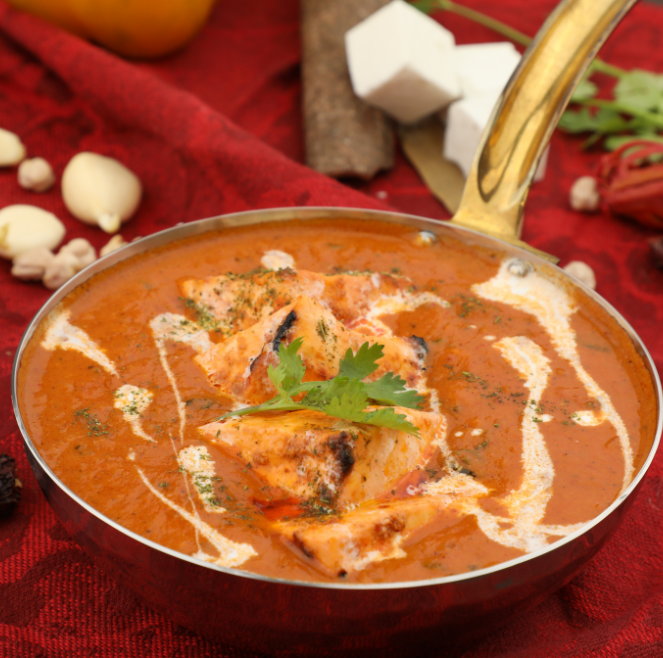

Indian cuisine is a vibrant tapestry of flavors, colors, and aromas that reflect the country’s diverse culture and history. From the fiery spices of the south to the rich gravies of the north, traditional Indian dishes offer a culinary journey like no other. This blog post explores the essence of these dishes, their unique ingredients, and how you can bring a taste of India into your kitchen.
-
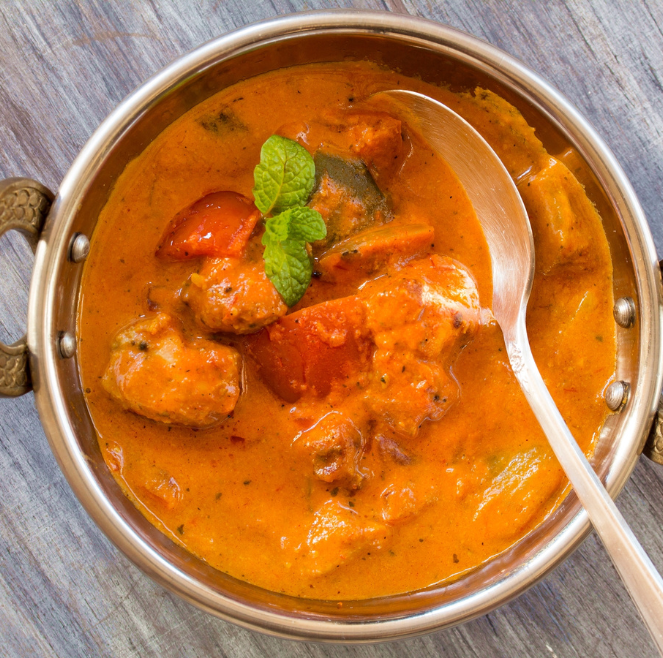
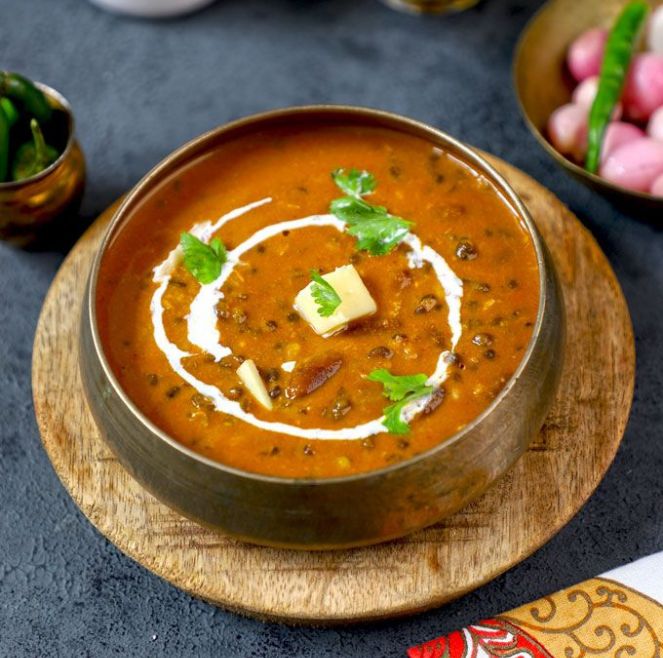
Punjab is famous for its buttery and creamy dishes like Butter Chicken and Dal Makhani.
-
Kerala offers coconut-based curries and seafood delicacies such as Fish Moilee.
-
Rajasthan is known for its spicy and hearty meals like Dal Baati Churma.
These dishes are not just meals but stories of the land and its people. The use of spices such as cumin, coriander, turmeric, and garam masala creates complex layers of flavour that are both exciting and comforting.
-
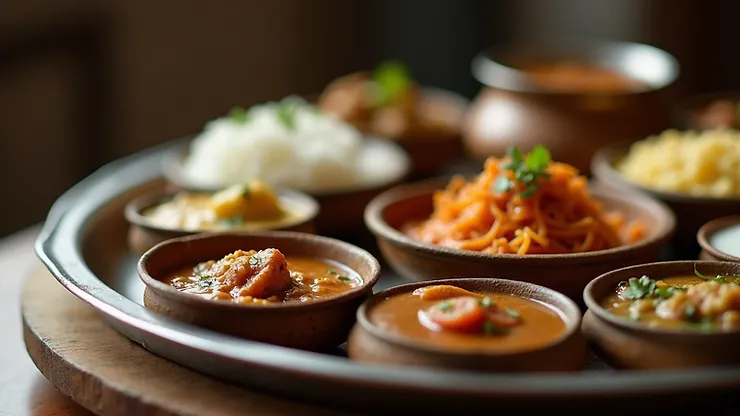
Spices: Cardamom, cinnamon, cloves, mustard seeds, and fenugreek.
-
Herbs: Fresh coriander, mint, and curry leaves.
-
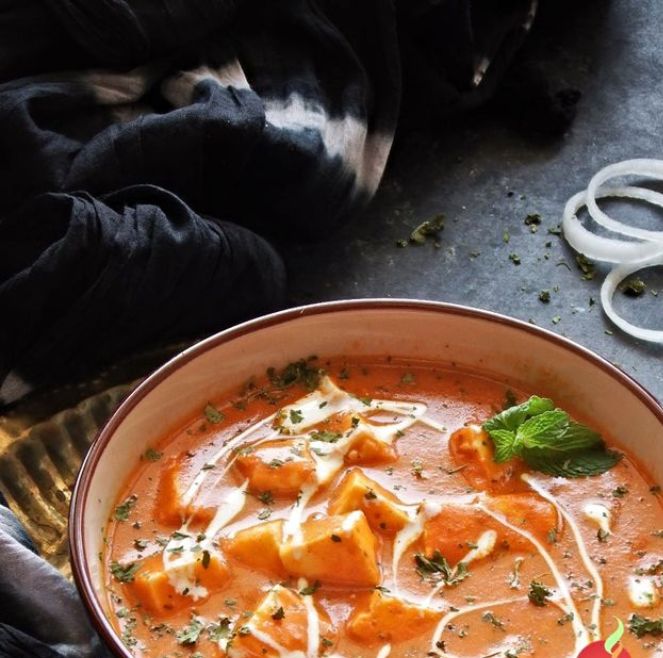
Dairy: Yogurt, ghee (clarified butter), and paneer (Indian cheese).
-
Legumes: Chickpeas, lentils, and kidney beans.
Using fresh and high-quality ingredients is essential to achieve the authentic taste. Many traditional recipes also emphasize slow cooking to allow flavors to meld perfectly.
-
Start Simple: Begin with easy recipes like Chana Masala or Aloo Gobi.
-
Invest in Spices: Purchase whole spices and grind them fresh for better flavor.
-
Use Traditional Cooking Methods: Try using a tawa (griddle) or a pressure cooker.
-
Follow Recipes Closely: Indian cooking often requires precise timing and layering of spices.
-
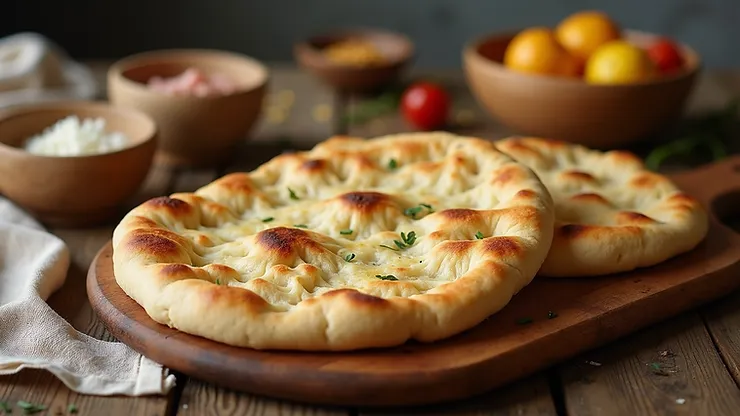
Experiment with Breads: Learn to make naan, roti, or paratha to complement your meals.
For those interested in exploring more, visiting a place that specializes in authentic indian cuisine can provide inspiration and a deeper understanding of the flavors.
-
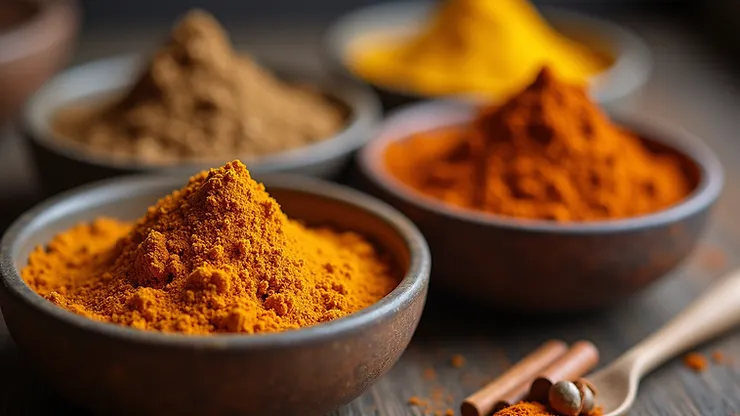
North India: Rich, creamy gravies with dishes like Butter Chicken and Chicken Tikka Masala.
-
South India: Rice-based dishes such as Dosa and Idli, often served with coconut chutney and sambar.
-
East India: Sweet and savoury dishes with mustard oil and panch phoron spice blend.
-
West India: Diverse flavours ranging from the vegetarian thalis of Gujarat to the seafood curries of Goa.
Each region uses local ingredients and cooking techniques that reflect its climate and culture, making Indian cuisine incredibly diverse.
-
Breads: Naan, roti, and paratha are perfect for scooping up curries.
-
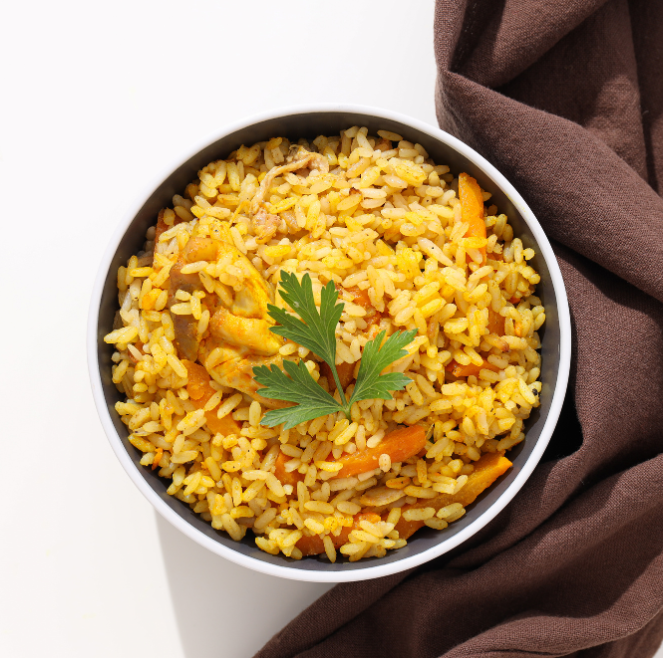
Rice: Basmati rice or fragrant pulao complements spicy dishes.
-
Condiments: Raita (yogurt with cucumber), pickles, and chutneys add contrast.
-
Beverages: Lassi (sweet or salty yogurt drink) and masala chai (spiced tea) balance the heat.
By combining these elements thoughtfully, you can create a balanced and satisfying dining experience.
-
Using healthier oils or reducing ghee.
-
Incorporating more vegetables for a balanced diet.
-
Experimenting with fusion dishes that blend Indian flavours with other cuisines.
This flexibility ensures that Indian cuisine remains relevant and accessible to everyone. Exploring traditional Indian dishes opens a window into a rich cultural heritage filled with vibrant flavours and culinary artistry. Whether you are a seasoned cook or a curious beginner, embracing these recipes and techniques can bring warmth and excitement to your dining table. Dive into the world of authentic indian cuisine and discover the joy of cooking and sharing these timeless dishes.